Maintaining good oral hygiene is vital not only for a bright, confident smile but also for overall health. Your mouth is the gateway to your body, and a clean, healthy mouth can significantly reduce the risk of various health problems. Brushing and flossing are the cornerstones of good oral care, but there are other essential practices and tools to ensure your mouth stays in its best shape.
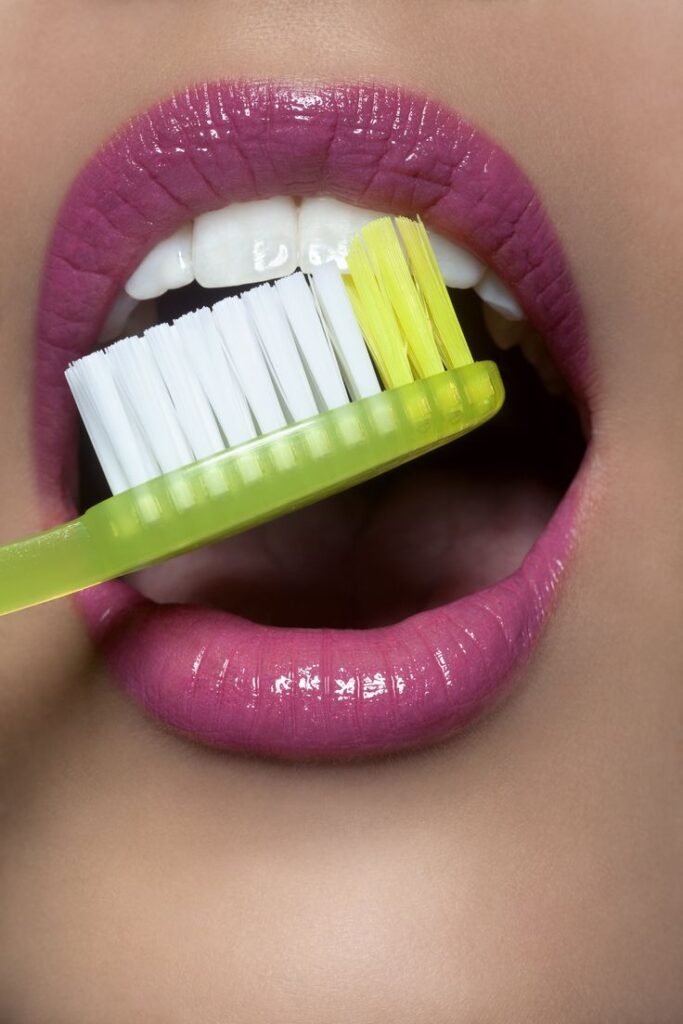
Brushing: The Foundation of Oral Care
Brushing your teeth is the most basic and crucial step in maintaining oral health. It helps remove plaque — a sticky film of bacteria that forms on your teeth and gums. Plaque can lead to cavities, gum disease, and even tooth loss if left unchecked. The American Dental Association (ADA) recommends brushing your teeth twice a day for at least two minutes with fluoride toothpaste.
A good brushing technique involves using a soft-bristled toothbrush. Hold the toothbrush at a 45-degree angle to your gums and use gentle circular motions. Avoid brushing too hard, as this can wear down your enamel and damage your gums. Be sure to brush all surfaces of your teeth, including the front, back, and chewing surfaces. Don’t forget to gently brush your tongue as well, as it can harbor bacteria that contribute to bad breath.
Changing your toothbrush every three to four months or sooner if the bristles are frayed is also important for maintaining an effective cleaning routine.
Flossing: Reaching What Brushing Misses
While brushing is essential, it doesn’t reach every corner of your mouth. The spaces between your teeth, known as interdental spaces, are often neglected by a toothbrush alone. This is where flossing comes in. Flossing helps remove food particles and plaque from between your teeth, reducing the risk of cavities and gum disease.
The ADA recommends flossing once a day, ideally before bedtime. Use about 18 inches of dental floss, wrapping most of it around your middle fingers and leaving a small segment to work with. Gently slide the floss between your teeth, curving it around each tooth to remove debris and plaque. Be careful not to snap the floss, as this can hurt your gums.
If traditional floss is difficult to handle, you can use alternatives like floss picks, interdental brushes, or water flossers, which are especially helpful for people with braces or limited dexterity.
Mouthwash: A Complementary Tool
While brushing and flossing are the primary steps for maintaining oral hygiene, mouthwash can complement your routine by reaching areas that are difficult to clean. Mouthwash can help kill bacteria, freshen breath, and provide additional fluoride to strengthen teeth.
There are different types of mouthwash, each designed to address specific concerns. Antiseptic mouthwashes, for example, help kill bacteria and reduce plaque. Fluoride mouthwashes are designed to prevent cavities and strengthen enamel. If you have sensitive teeth, some mouthwashes are formulated to reduce discomfort.
However, mouthwash should not replace brushing and flossing. It is a supplementary tool to enhance your overall oral care.
Diet and Lifestyle: What You Eat Affects Your Oral Health
Diet plays a significant role in your oral health. Sugary foods and drinks, such as soda, candy, and baked goods, fuel the bacteria in your mouth that lead to plaque buildup and cavities. Acidic foods and drinks, like citrus fruits and coffee, can erode enamel over time, leading to tooth sensitivity.
To support your oral health, focus on a balanced diet rich in fruits, vegetables, whole grains, and lean proteins. Calcium-rich foods like dairy products help strengthen your teeth and bones. Drinking plenty of water throughout the day helps wash away food particles and neutralizes acids in the mouth, reducing the risk of decay.
Regular Dental Checkups: Prevention is Key
Even with a consistent at-home oral hygiene routine, regular visits to your dentist are essential. Dental checkups, ideally every six months, allow your dentist to catch problems like cavities, gum disease, and oral cancer early, before they become more serious. Cleanings performed by dental professionals also remove plaque and tartar buildup that regular brushing and flossing can’t eliminate.
Your dentist will also provide personalized advice based on your oral health needs. If you’re prone to cavities, your dentist may recommend fluoride treatments or sealants. If you have gum disease, they may suggest deeper cleanings and specific treatment options.
Conclusion
A healthy mouth requires more than just brushing twice a day. Flossing, mouthwash, a balanced diet, and regular dental visits all contribute to optimal oral health. By adopting a comprehensive approach to your oral hygiene routine, you can ensure a lifetime of healthy teeth and gums, which will not only keep your smile bright but also enhance your overall well-being. Remember, taking care of your mouth today can save you from more complex dental issues in the future.