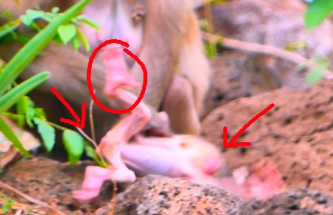
Motherhood in the animal kingdom is often fraught with challenges, and for monkeys, giving birth is no exception. Unlike some other mammals, primates—especially monkeys—face a difficult and sometimes dangerous journey when bringing their young into the world.
One of the primary reasons birth is challenging for mother monkeys is their anatomy. As primates, monkeys have relatively large-brained offspring compared to their body size. This means that the birthing process can be prolonged and physically taxing. Unlike many other mammals that give birth quickly, monkeys often experience labor that lasts several hours, increasing the risk of complications.
Another factor making birth difficult is the environment in which monkeys live. Many species, such as those in rainforests or savannas, must give birth in precarious settings. Tree-dwelling monkeys face the additional challenge of laboring and delivering their infants while high above the ground, where a fall could be fatal. For those living in social groups, birth can be both a blessing and a risk—while some females may provide support, others might become aggressive or steal the newborn.
After birth, mother monkeys face another struggle: protecting and nurturing their vulnerable infants. Newborn monkeys are highly dependent on their mothers for warmth, food, and safety. In some species, infant mortality is high due to predation, disease, or accidents.
Despite these difficulties, mother monkeys display remarkable resilience and care. They form strong bonds with their young, teaching them survival skills and ensuring their growth into independent adults. The struggles of giving birth highlight the incredible dedication of monkey mothers, whose perseverance ensures the survival of their species.